Chekhov
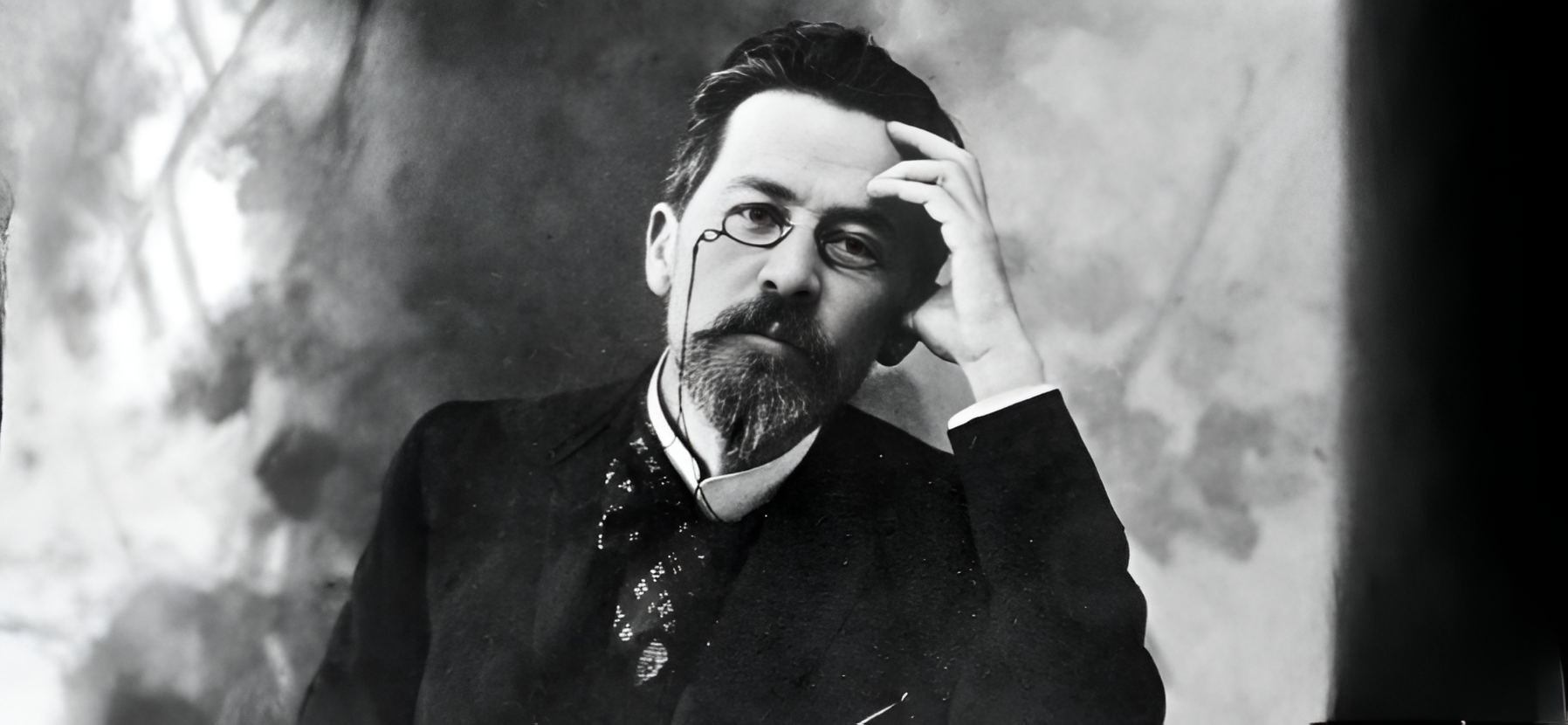
Anton Chekhov, studio portrait, c. 1900
Forthcoming
I am currently writing a sequel to Chekhov’s The Lady with the Dog. The story is about a love affair between Dmitri Gurov and Anna von Diderits who are both married to other people when they meet in Yalta and fall in love.
Rarely in Chekhov, the story ends happily, or at least with the possibility of happiness and the promise of “a new and splendid life” that the couple might enjoy after what has, in effect, been a holiday romance.
But what might that entail? This is the point at which another story might begin — of staying true to that love after the holiday and in the real world, of acknowledging the past while looking to the future; of insecurity and determination, of social disapproval and divided loyalties, of faith, divorce, the death of parents and the future of children.
Can Gurov and Anna’s love survive everything the world throws at them?
Chekhov is said to have written the story as a response to Tolstoy’s Anna Karenina, where the love of an altogether different Anna ends in suicide and abandonment. He was keen on a happier ending. He had met his future wife, the actress Olga Knipper, in the autumn of 1898, just before he headed off to spend his first winter in Yalta. He was thirty-eight years old. Olga had just turned thirty.
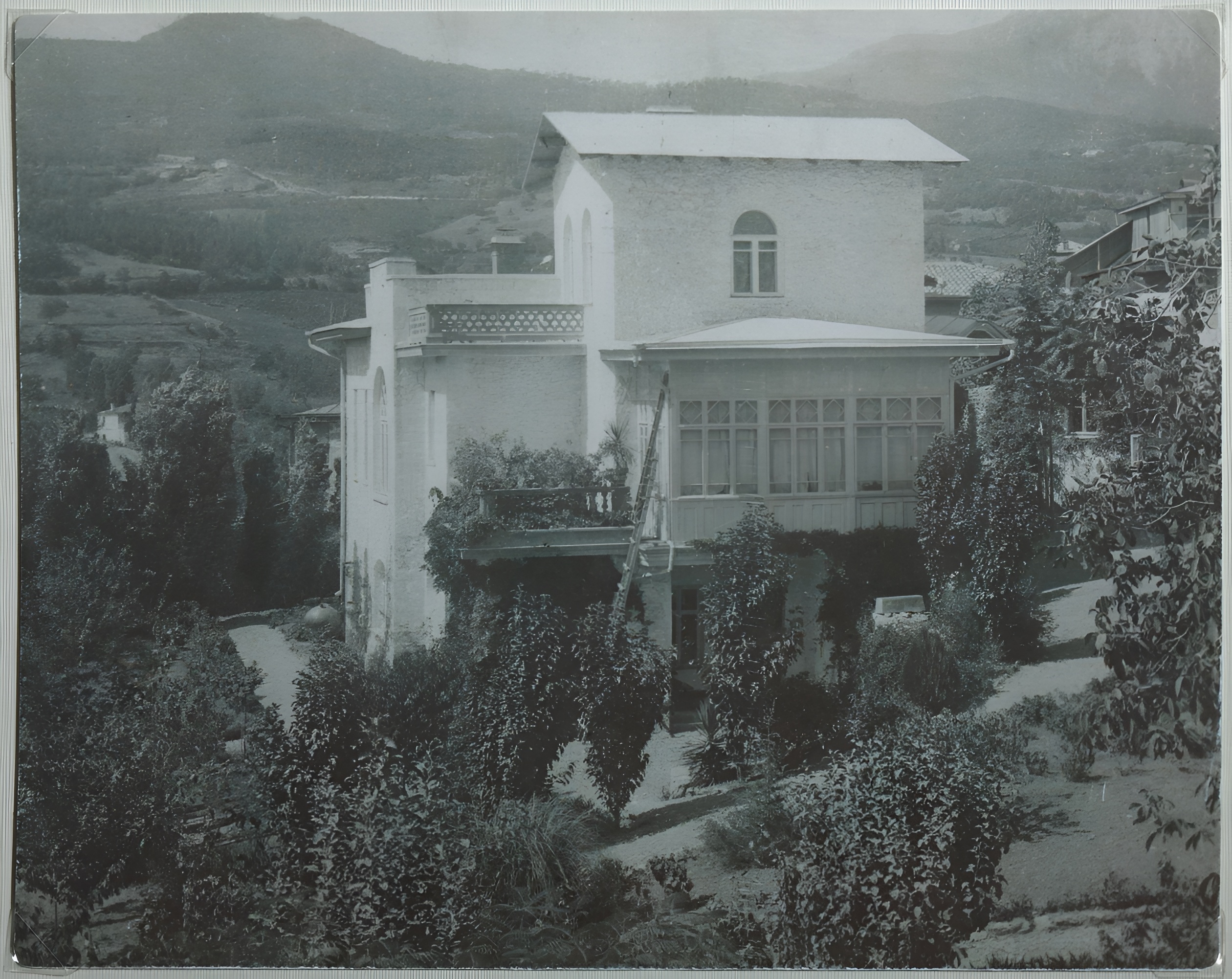
In July 1899, he showed her round the town of Yalta and the village of Oreanda, and this may well have provided the inspiration for The Lady with the Dog, which was written in the same year. In his letters he even refers to Olga as “my little doggie.”
So writing this novel is an opportunity to spend time with Chekhov, and to think about what it might have been like to live and love in Moscow between 1900 and 1905, at a time of social uncertainty and political unrest.
How can a couple find their centre and maintain their love?